How Common Are Extrasolar Planets?
Kepler, a 0.95 m space telescope, stared at 150,000+ stars for nine and a half years, watching for the tiny periodic dimmings caused by planets crossing in front of their host stars — and transformed our understanding of how common planets are in the galaxy.
My Role on Kepler
I joined the Kepler Science Office at NASA Ames Research Center in 2010, first as a NASA Postdoctoral Program Fellow and then as a Participating Scientist, where I worked on the mission's transit-detection and light-curve validation pipeline. I led the validation of 800+ multi-planet-candidate systems and, more recently, led the recomputation of the DR25 planet candidate catalog — incorporating updated Gaia-based stellar parameters and a new Bayesian false-positive framework to sharpen the accuracy of planet radii and orbital periods across the full Kepler sample.
Explore the DR25 Catalog & Data Products →Kepler by the Numbers
Mission totals from NASA's Kepler/K2 archive; figures grow as the community continues to validate and characterize planets in the Kepler data.
Discoveries
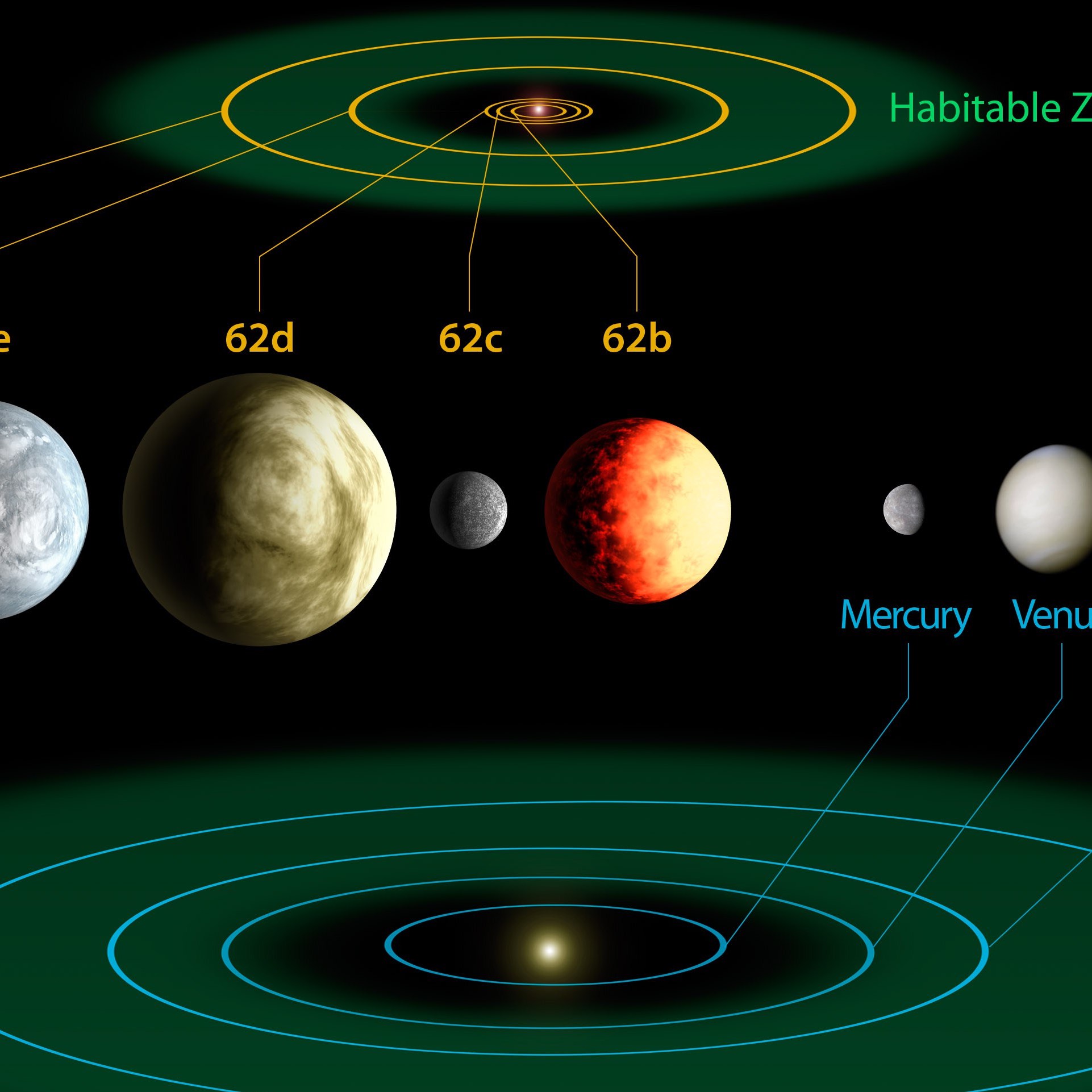
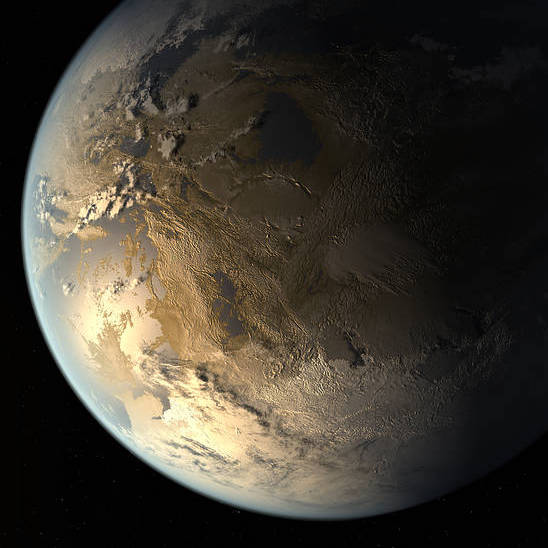
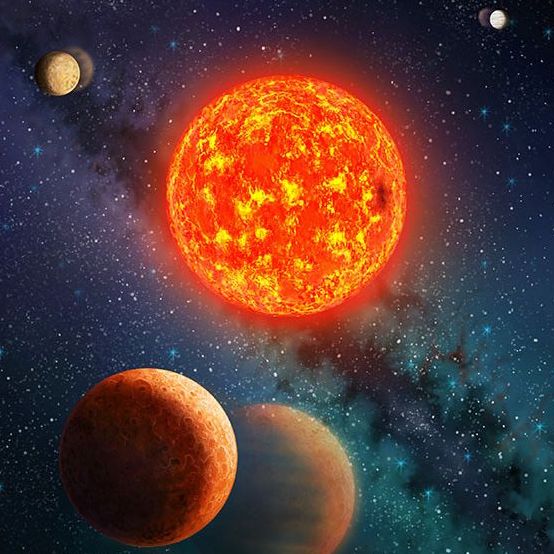
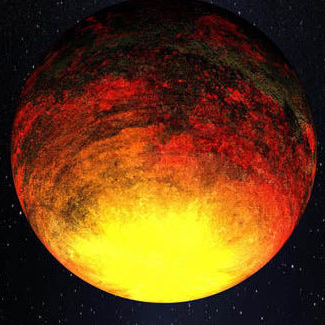
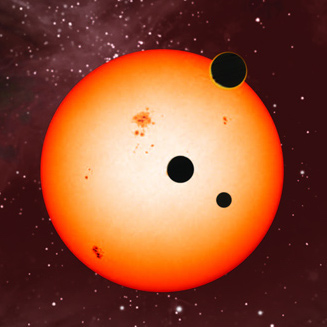
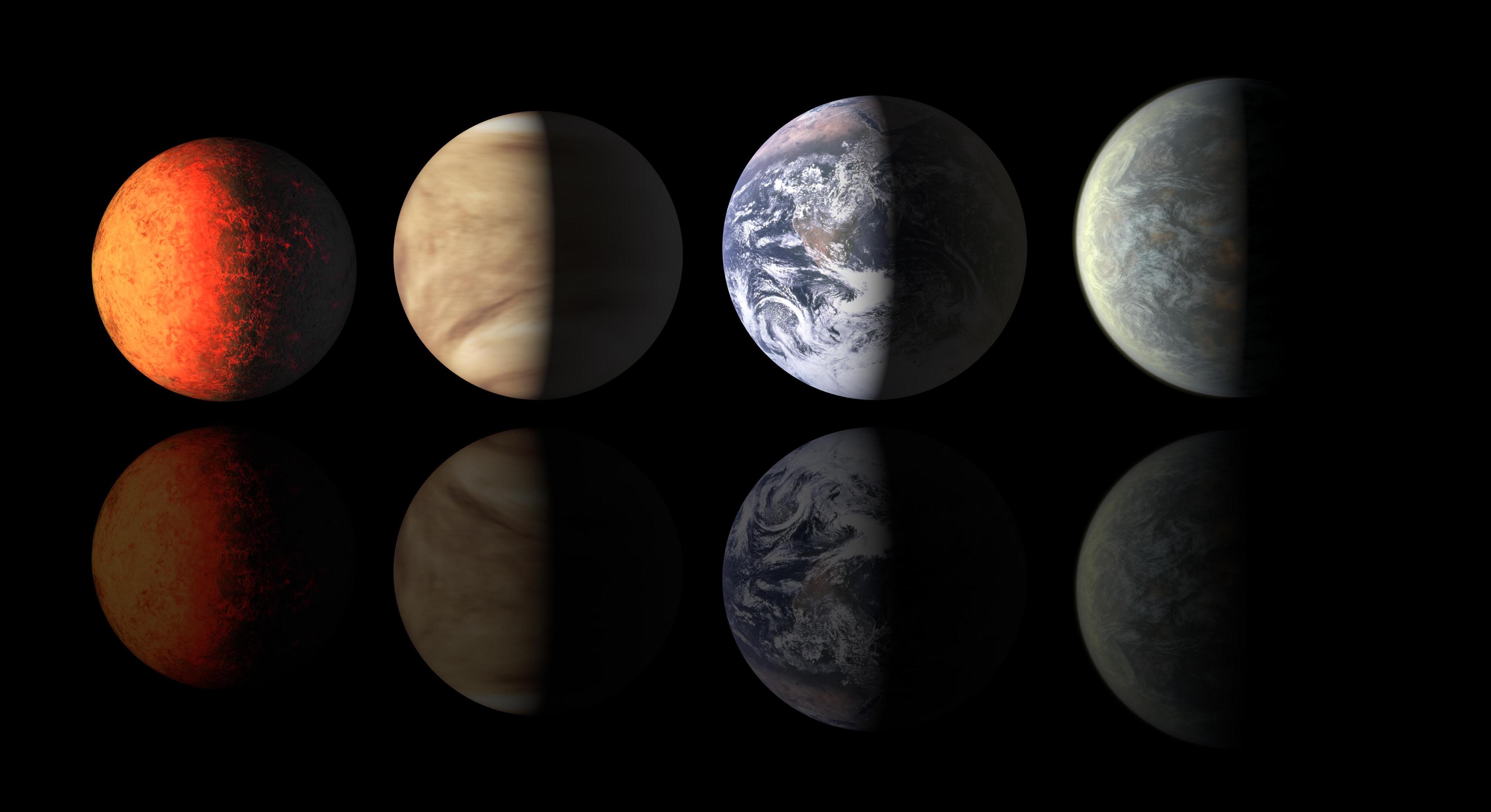
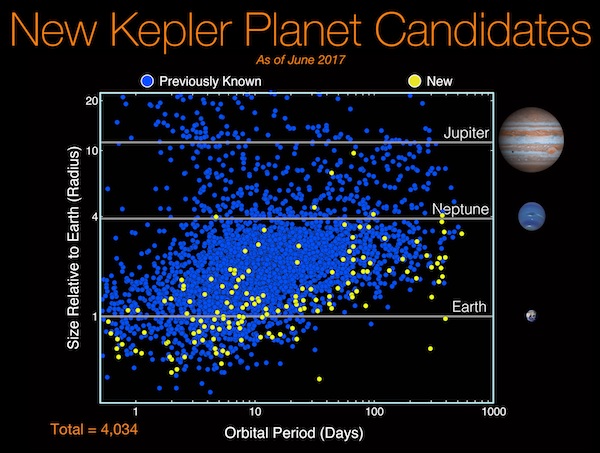
A sample of notable systems and results from the Kepler sample I've worked on.

Catalogues & Data Products
Full recomputed KOI catalog, paper, and media — see the DR25 Catalog & Data Products page.
Kepler transit model tables, transit-timing measurements, and limb-darkening parameters. Requests welcome — see contact info on my CV.